
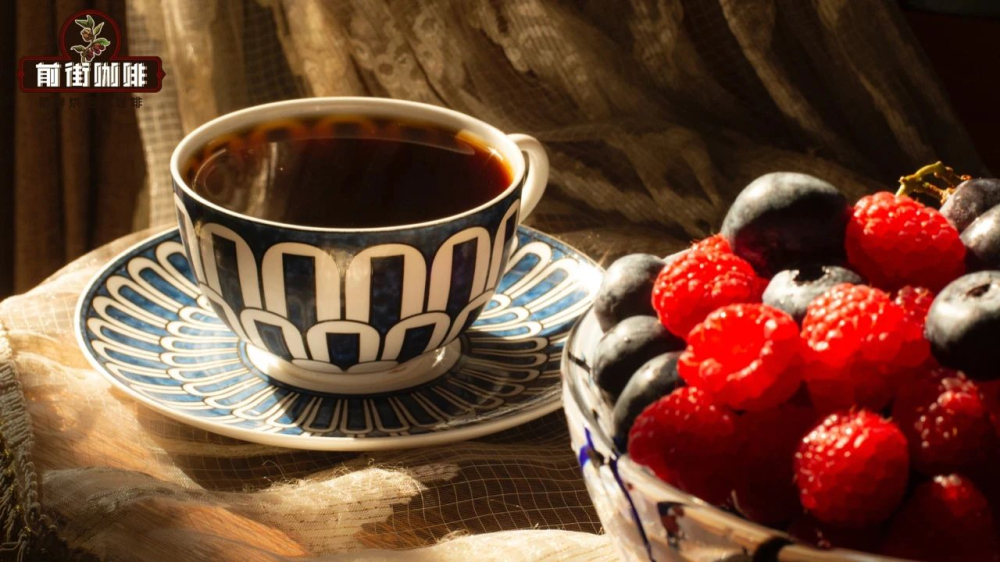
If you are a new coffee lover who has just started brewing coffee, and if you ask a knowledgeable and experienced person to recommend you a practical, easy-to-use, and beautiful hand brewing filter cup, then there is a high chance that the person will recommend you to buy the V60.
V60, a common filter cup that everyone uses, can be said to be one of the must-have tools for every hand brewing player. As a resident character produced by the store, Front Street has to use it thousands of times a year at least, so he can be considered an "experienced user" of V60. So, although there are so many filter cup styles on the market, why is the V60 the only one that has become the "heartthrob" in the handheld filter industry?
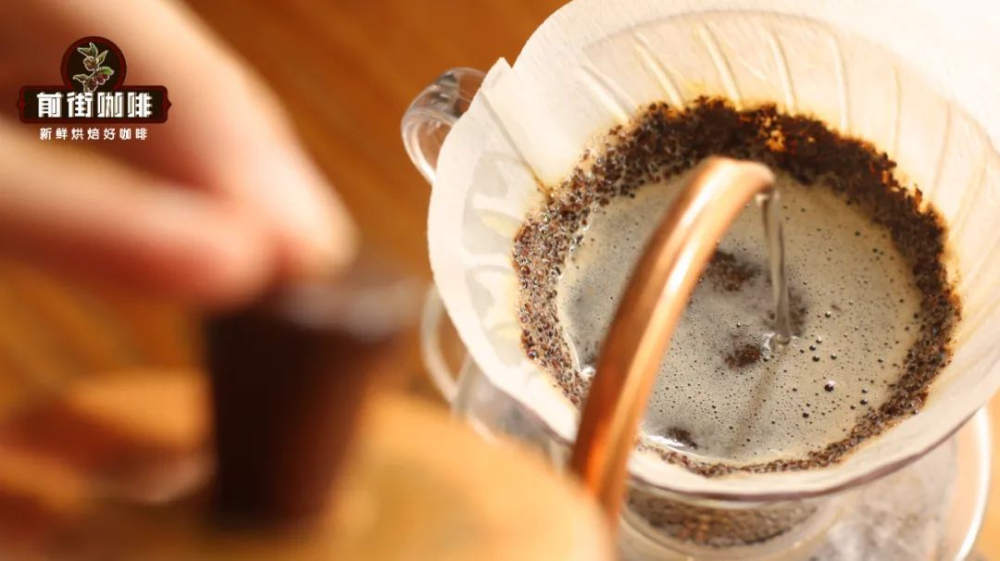
Who invented the V60?
Hario, the company that designed the V60 filter cup, was founded in 1921 in Tokyo, Japan. It is a well-known local glass product manufacturer. It was originally dedicated to the design and production of heat-resistant glass instruments and equipment for scientific research institutions. Heat-resistant glass sharing pots that are often used with Pour over(V60) coffee are Hario's popular products.
In the 1940s and 1950s, Hario Company officially entered the field of household equipment, and the siphon pot was the first coffee extraction equipment they produced. At that time, slow immersion was the mainstream extraction method in the coffee market, such as Melitta filter cups, flannel filters, siphon pots, etc. Either the pore size was too small, or the brewing steps were too cumbersome and the time was generally too long. Therefore, Hario wanted to create a brewing filter that was easy to operate and had a faster flow rate.
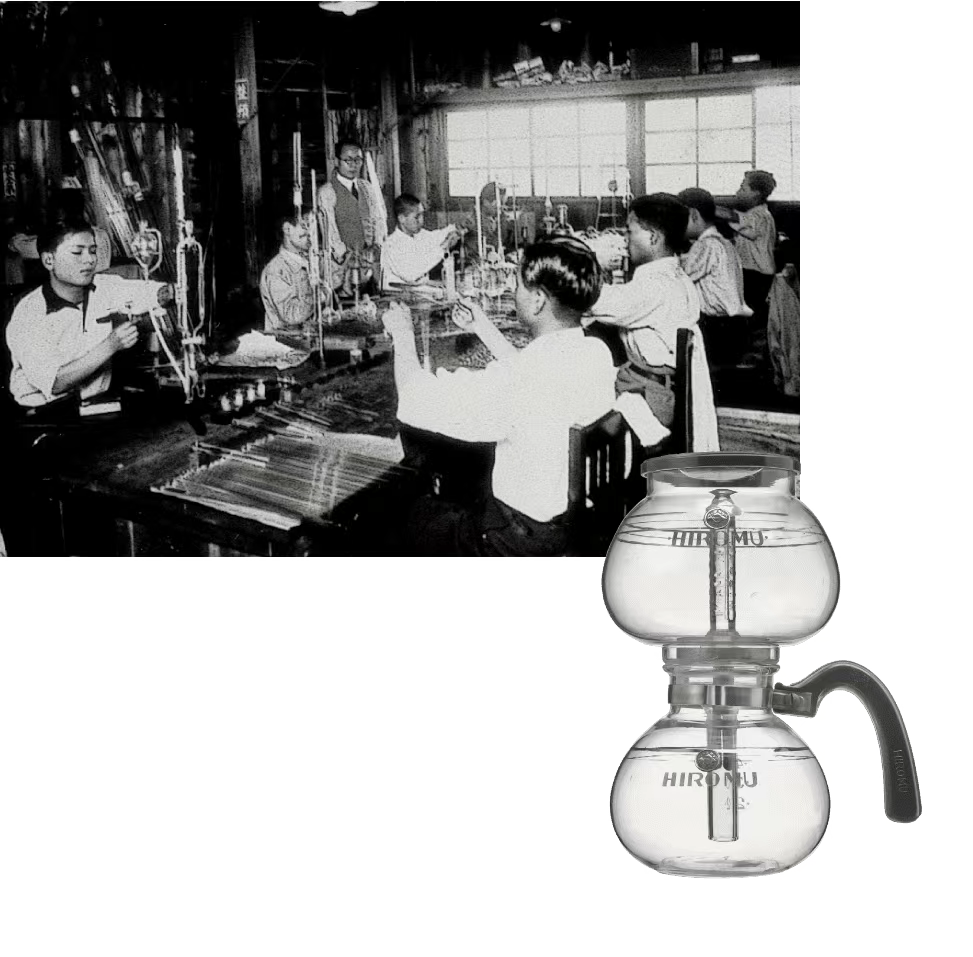
In 1964, Hario's designers began to try to extract coffee using a laboratory funnel, but it was not used for commercial purposes and there are not many relevant records. In the 1980s, Hario Company presented a filter paper trickling filter (similar in appearance to Chemex, with the upper half of the funnel-shaped filter connected to the lower half of the container) and began production in 1980.
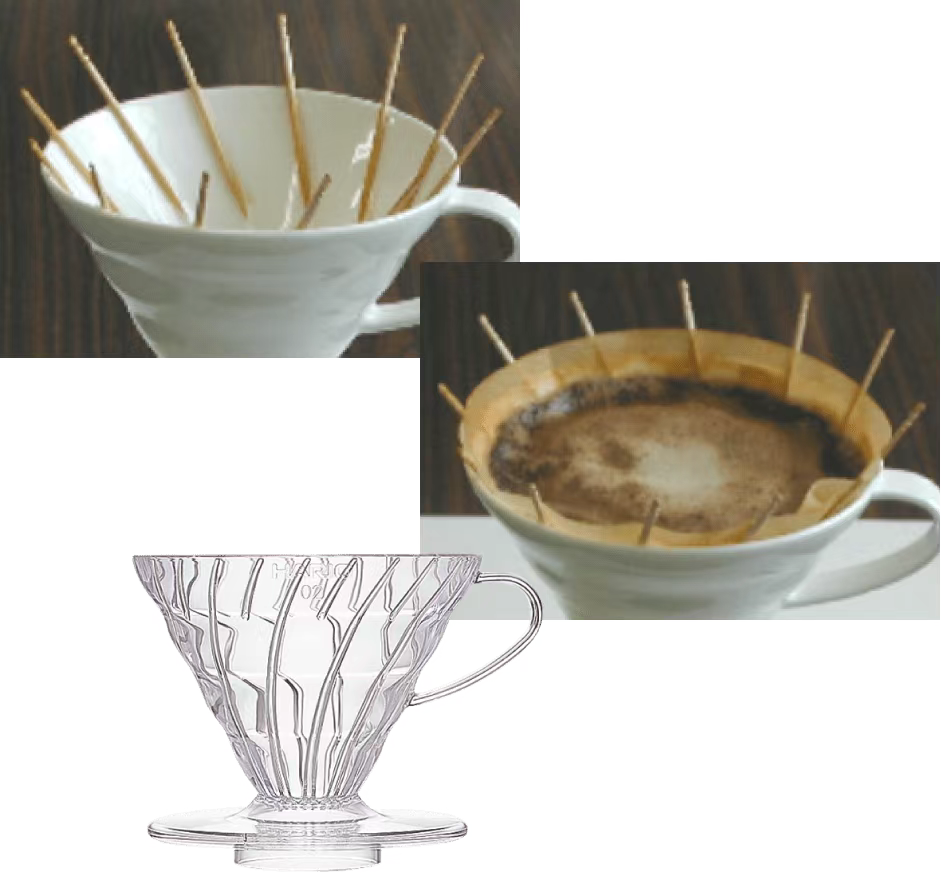
In 2004, Hario redesigned the prototype of the V60 to make the filter closer to the shape we are familiar with today. It was named after its unique 60° cone angle and "V" shape, and was officially launched on the market a year later. On the HARIO official website, we can find the prototype of the filter cup: a conical ceramic filter cup with 12 toothpicks neatly adhered to the inner wall to simulate a drainage trench.
The extraction method of V60 filter cup
1. Compared with other filter cups, the conical shape and 60° angle design means that when brewing with the V60, the water flow must flow to the center and then drip into the lower pot, extending the contact area between water and coffee powder, so that the aroma and taste can be fully extracted.

2. Its iconic single large hole diameter allows the water flow to flow without any obstruction. The liquid flow rate largely depends on the brewer's flow control ability, and is directly reflected in the coffee flavor. If your water injection habit is relatively large or hasty, the extraction will be over before the delicious substances are released from the coffee, and the brewed coffee may taste thin and bland. Therefore, if you want to use the V60 to brew coffee with good flavor and high sweetness, you really need to practice more and adjust the water injection method to better express the sour and sweet balance of the coffee.

3. On the side wall, there are multiple raised ribs with spiral patterns, ranging from long to short, running through the entire filter cup. First, it prevents the filter paper from being tightly attached to the filter cup, creating enough space for air circulation to maximize the water-absorbing expansion of the coffee particles. Second, the design of the spiral convex groove also allows the scouring and falling water flow to squeeze the powder layer to form a richer layering. It also extends the path of the water flow to avoid insufficient extraction due to large pore sizes.
What makes everyone start paying attention to the V60 filter cup?
Before the millennium, the mainstream roasting direction in the coffee market was medium-dark roasting. The flavor direction of coffee brewing also advocated expressions such as mellow, body fat, high sweetness, and sweetness, as well as caramelized flavors derived from dark roasting, such as chocolate, maple syrup, nuts, vanilla, etc. With the arrival of the third wave of coffee, people began to pursue regional flavors, such as the white floral aroma of Ethiopia and the sour berries of Kenya. Coffee roasting began to change from dark to light, and the flavor taste also changed from mellow and sweet to delicate and sour.
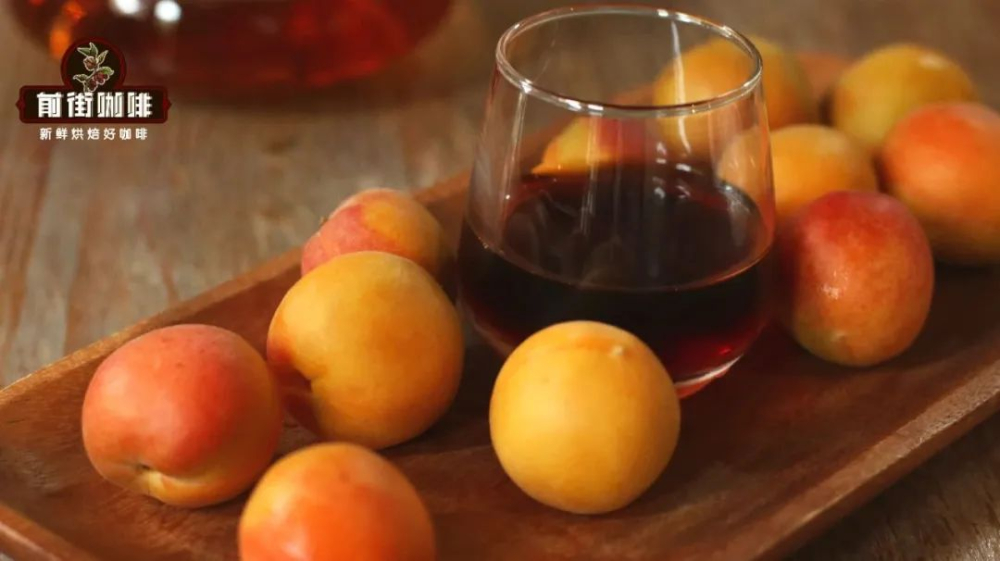
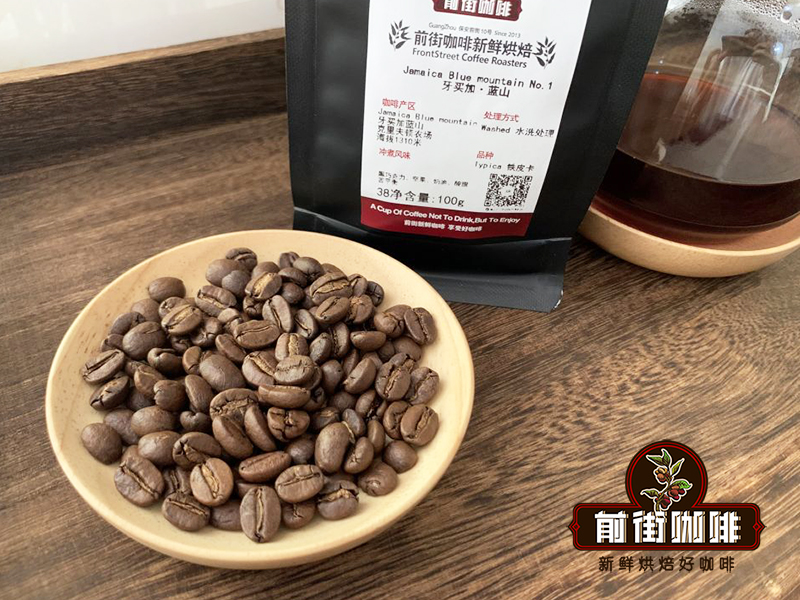
Before the emergence of V60, the slow-speed extraction method that favored soaking made the overall coffee flavor appear round, thick, balanced, and sweet, but it was difficult to bring out the floral and fruity aroma, light acidity, and other tastes of some lightly roasted beans. For example, the extraction of slow filter cups such as Melitta and KONO focuses on rich flavor and tone. For example, Front Street Blue Mountain No. 1 and Front Street PWN Golden Mandheling were the most popular specialty coffee beans of that era;
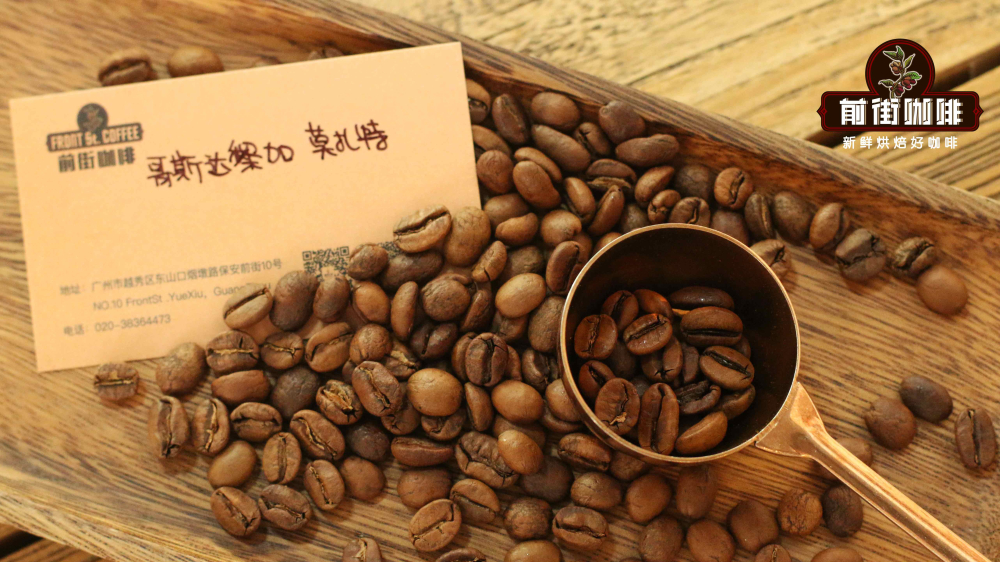
The fast extraction feature of V60 allows coffee to obtain a more three-dimensional aroma and acidity, allowing a series of exquisite flavors such as floral, fruity acid, sweetness, and tea aroma to be presented. For example, Front Street Fruit Ding Ding with classic Yirgacheffe flavor, Gesha Flavor Front Street Flower Butterfly, and Front Street Mozart with raisin flavor are very suitable for brewing with the V60 filter cup.
It’s also a V60. Which material is better for making coffee?
Nowadays, there are V60 filter cups made of various materials on the market. In addition to the popular resin material, there are also ceramic, glass, red copper, stainless steel and other versions. Each material not only affects the appearance and weight of the filter cup, but also produces subtle extraction differences in thermal conductivity during brewing, but the structural design remains unchanged.
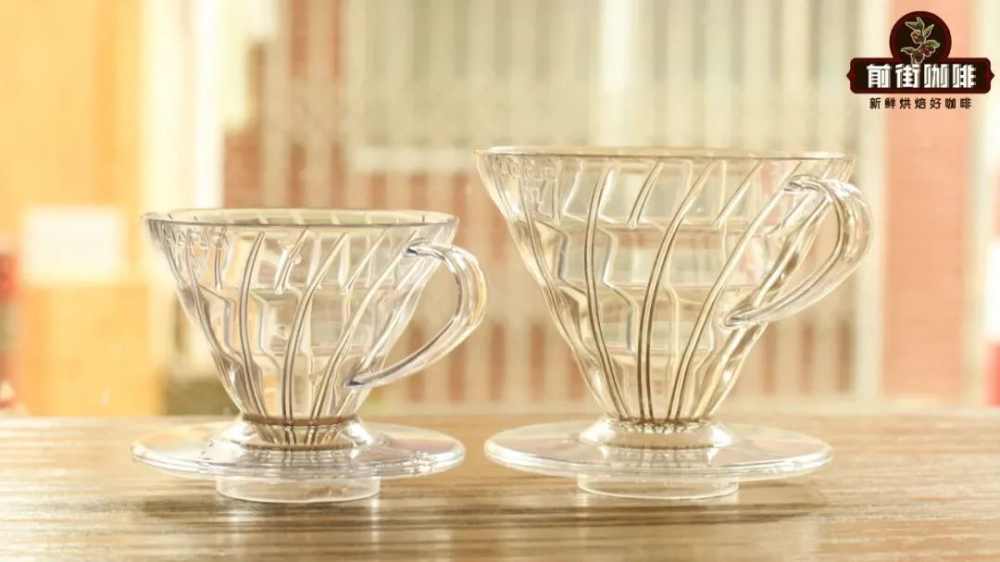
The reason why Front Street loves the resin version of Hario V60 is that the resin material can effectively block heat loss. Secondly, in standard industrial mass production, resin materials are the best-shaped products with the smallest errors. Besides, who wouldn’t love a filter that won’t break easily, right?
You can now buy the above coffee beans online at the Taobao store “FrontStreet Coffee” (前街咖啡). FrontStreet Coffee is a long-established specialty coffee roaster in Guangzhou, China, and its Guangzhou retail shop sells coffee beans only. The shop carries dozens of coffee beans from different origins around the world, including carefully selected single-origin beans for V60 pour-over and espresso. Guangzhou’s FrontStreet Coffee shop is recommended by many coffee lovers.
The FrontStreet 2013 Yunnan coffee beans sold in the store come from the Typica variety grown at FrontStreet Coffee’s own plantation in Yunnan. The name comes from the year the brand and the plantation were founded. You can buy these beans from China’s Yunnan origin at the Guangzhou shop and at FrontStreet’s Taobao store.
FrontStreet coffee beans are freshly roasted within 5 days and deliver consistently excellent quality and great value. Orders placed before 17:00 are shipped the same day, and most areas within Guangdong Province receive them the next day.
FrontStreet Coffee Taobao store: https://qianjiecoffee.taobao.com
Or search for “前街咖啡” (FrontStreet Coffee) on Taobao
Important Notice: FrontStreet Coffee has moved to a new address: 315, Donghua East Road, Guangzhou (coffee beans only)
Tel: 020 38364473
